Low Pressure Is a Symptom, Not a Diagnosis
Weak water on a well system can come from a dozen places between the bottom of the well and your kitchen sink. Replacing parts by guesswork gets expensive fast. The better approach is to have a contractor test the system step by step and find where the pressure is being lost.
We connect Greenville-area homeowners with independent well pros who do exactly that kind of diagnosis. Tell them whether the problem is in one fixture or the whole house, and whether it came on suddenly or slowly over months.
Likely Causes Around Greenville
- A pressure switch set too low or with worn contacts
- A waterlogged pressure tank that no longer holds a charge
- A clogged sediment filter, common where red clay silt gets into the water
- Mineral and iron buildup inside older galvanized pipes
- A worn pump that no longer produces its rated flow
- A leak in the drop pipe down the well, so water drains back between uses
- A dropping water level during a drought, so the well cannot keep up with demand
- A partly closed valve or a failing water treatment system

What a Diagnostic Visit Looks Like
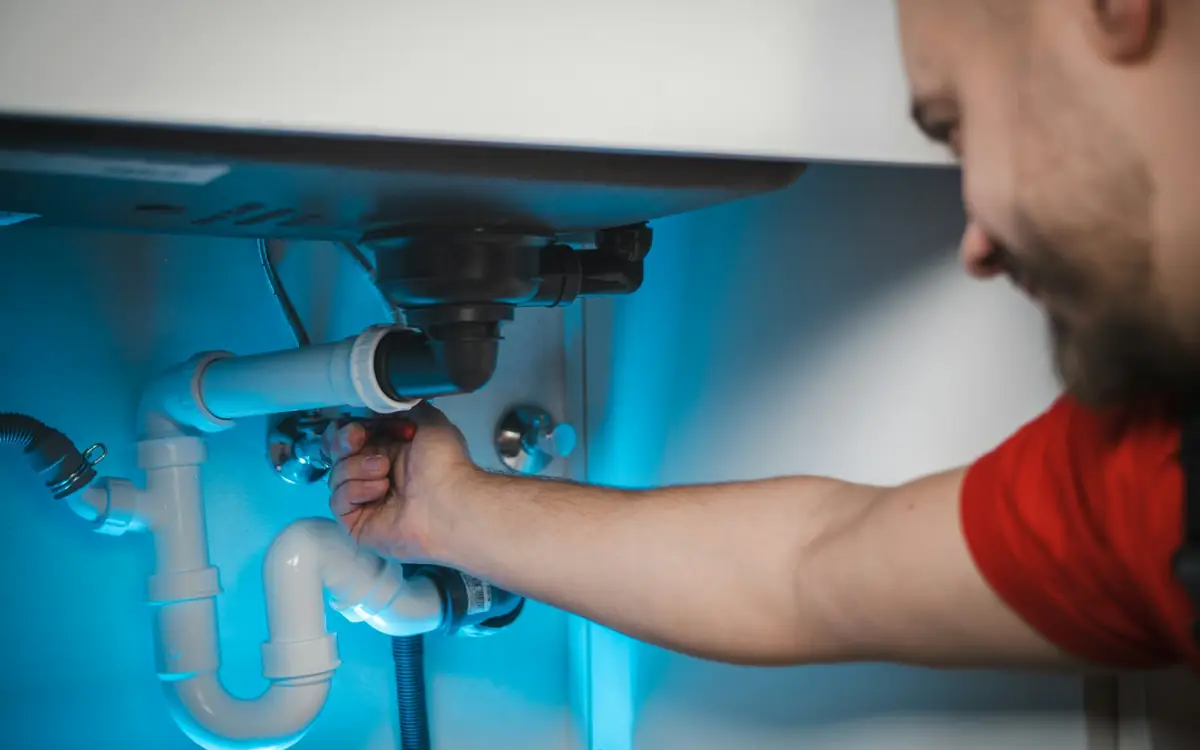
A contractor will typically start by reading the pressure gauge through a full pump cycle and checking the switch settings. They may check the tank precharge, look at filters and treatment equipment, and test pressure at a hose bib close to the tank to see whether the loss is upstream or downstream.
If the surface equipment checks out, they may measure the pump's amp draw and flow rate, or check the well's water level. That tells them whether the pump is wearing out or whether the well itself is struggling to deliver water.
Simple Things You Can Check First
If you have a whole-house sediment filter, look at the cartridge. A brown, clogged filter is a common and easy fix. Check whether the low pressure is in every faucet or only one, since a single weak fixture often points to a clogged aerator rather than a well issue.
Prices for diagnosis and repair on this site are typical ranges in the Greenville area; your contractor gives the final quote once the cause is found.